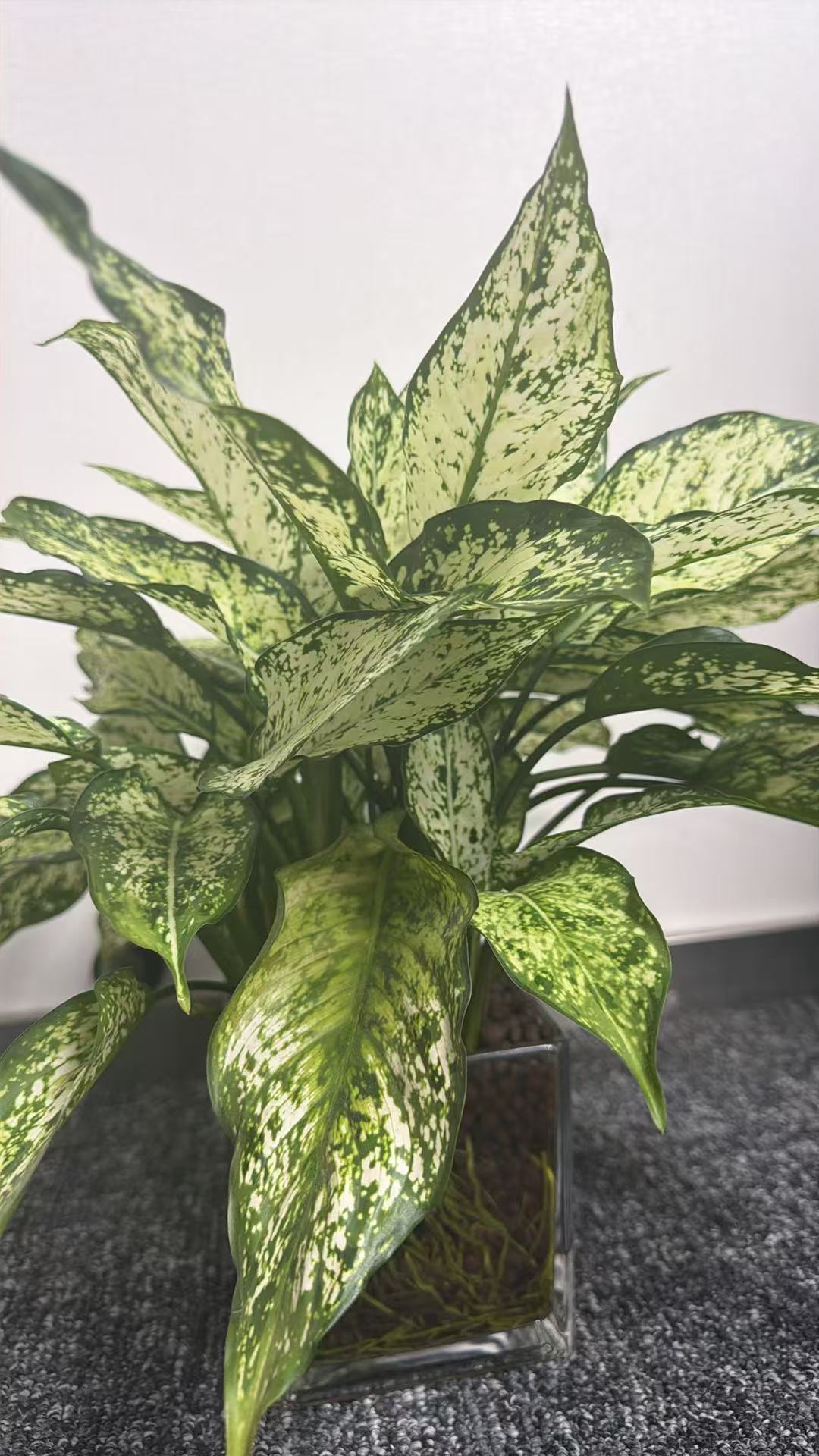
The easiest way to harm an indoor plant is to water it because the calendar says it is time. A plant in a warm, bright room may use water in three days, while the same plant in a cool corner may still be damp after two weeks. The surface can look dry while the lower half of the pot is wet. Checking the soil before every watering takes less than a minute, and it prevents most of the confusion that comes from guessing.
Begin with your finger. Push it into the mix until the second knuckle, then pull it out and feel the soil. If grains cling to your skin and the mix feels cool, the pot is still moist. If your finger comes out clean and the soil feels dry, it may be time to water. This test works well for small and medium pots. For a large container, the surface may be dry long before the center is ready, so use a wooden stick as well.
A wooden stick or bamboo skewer can reach deeper without disturbing the roots. Slide it into the soil near the edge of the pot and leave it for a few minutes. When you pull it out, look at the wood. A dark, cool stick with soil sticking to it means there is still moisture below. A dry stick that comes out clean means the lower mix has had time to breathe. Use the same test in more than one place because a pot can dry unevenly near a window or a heat source.
The weight of the pot is another reliable signal. Lift the container before watering and notice how heavy it feels. After watering and draining, lift it again. The difference may surprise you. A light pot feels almost hollow, while a wet pot is solid and steady. Once you learn the weight of a particular plant, you can often tell whether it needs water before pushing a finger into the soil. This is especially useful for plants with dense leaves that make the surface hard to reach.
Water thoroughly when the plant is ready. Pour slowly around the edge of the pot rather than in one spot near the stem. Let the water run through the mix until it appears at the drainage hole, then stop. Empty the saucer after a few minutes. A small sip that only wets the top layer does not reach the lower roots and can create weak growth near the surface. Deep watering followed by a proper dry period gives the roots both moisture and air.
Different plants need different levels of dryness. A succulent may want the mix to dry almost completely before the next watering. A fern may prefer the soil to stay lightly moist but never soaked. A flowering plant may drink quickly while it is growing and slow down after the flowers fade. Learn the pattern of one pot at a time. If you keep a note on your phone, write the date and how heavy the pot felt. After a month, the pattern will be clearer than any general rule.
Problems usually appear when the watering rhythm never changes. If the soil stays wet for more than two weeks, check the light, the pot size, and the drainage hole. If the pot dries out in a day or two, the roots may be crowded or the plant may be sitting in strong heat. The solution is not always more water. Sometimes the plant needs a larger pot, a different mix, or a position farther from a vent. Look at the whole situation before changing the routine.
A plant does not need to be watered on the same day every week. It needs water when the roots have used what was there and the mix has had a chance to breathe. Check the soil with your finger, confirm with a wooden stick, and notice the weight of the pot. When you water, do it thoroughly and let the excess drain. This simple habit is more useful than any strict calendar. It also teaches you how your home changes through the year, which is the part no care label can predict.
If the pot feels heavy for several weeks, move it to a brighter place and check that the drainage hole is open. If the soil is still wet after that change, the mix may be too dense for the plant. When the pot feels light again in two or three days, it may be time to check the roots. A little variation between pots is normal. What matters is the pattern for each plant. Watering becomes simple when you stop thinking about a calendar and start reading the mix, the pot, and the new growth in front of you. Check again tomorrow before you water.