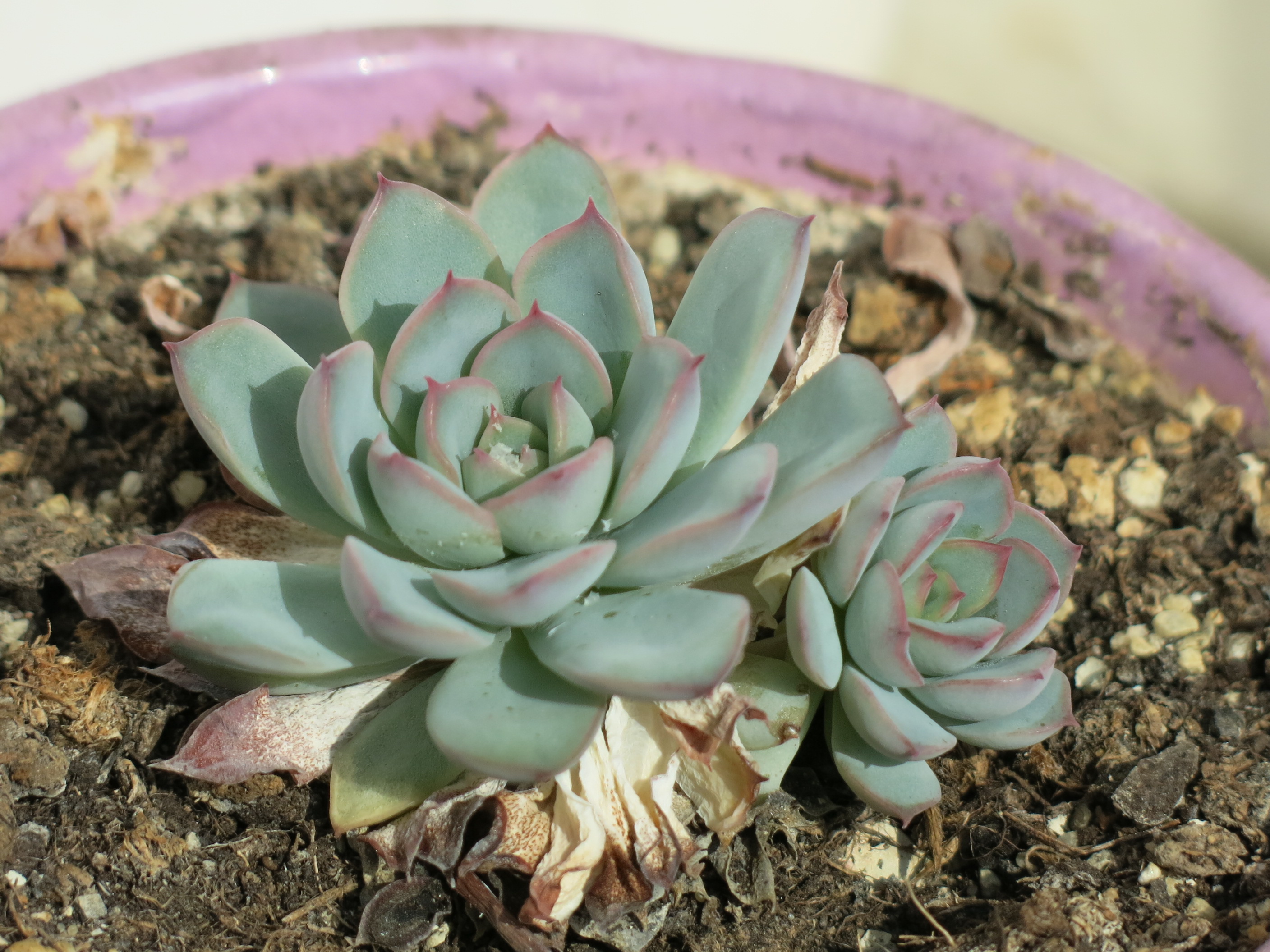
You bring home a tight little rosette with leaves packed into a neat circle. A few weeks later, the center has risen on a pale stem and the spaces between the leaves look wider. The plant is not growing taller because it is happy. It is stretching toward the strongest light it can find. Gardeners call this etiolation, and the change is easy to correct if you notice it before the new growth becomes thin and weak.
Succulents store water in their leaves, so they can survive a long time in poor light. Survival is not the same as strong growth. When the plant receives too little useful light, each new leaf is spaced further from the last. The stem lengthens, the color fades, and the rosette begins to lean toward the window. A plant that grows under strong light produces compact leaves with short gaps between them. If your succulent looks taller than the one in the shop, the difference is usually light rather than age.
Move the pot gradually toward a brighter window. A sudden move into harsh afternoon sun can burn the leaves, especially if the plant has spent months in gentle light. Begin with an hour of direct morning sun and add a little more every few days. Watch the leaf color and the surface of the soil. A plant that is receiving enough light will keep its center tight and turn slightly deeper in color. A plant that is receiving too much sun may develop dry patches or a washed-out tone. Change one thing at a time so you can see the result clearly.
The distance from the glass matters more than many people expect. A succulent placed three feet from a bright window may receive only a fraction of the light available at the sill. If the room has a deep frame, a curtain, or a balcony overhang, the loss is even greater. Place the pot close to the glass during the cooler part of the year, then pull it back when summer heat becomes too strong. Turn the pot every week so all sides receive the same exposure. Without rotation, one side will stretch while the other remains compact.
Watering during a stretch can make the problem look worse. A tall plant with pale growth may be working with weak tissue, and wet soil only encourages more soft growth. Use the condition of the leaves and the weight of the pot as your guide. Water deeply when the soil has dried through, then let the pot become light again before the next watering. A shallow drink every few days keeps the surface damp and the roots weak. Succulents do better with a clear wet period followed by a clear dry period.
Once the plant has stretched, you cannot shrink the old stem. You can keep it as a trailing form, or you can rebuild a compact rosette from the top. Cut the top with a clean tool and leave it in a dry, shaded place for a day or two so the cut surface can callus. Set the cutting on a gritty mix and wait for roots to form. The old stem may also produce small offsets along its length. Those offsets can be removed when they have several leaves and planted in their own small pots.
Repotting gives you a chance to correct the soil as well as the shape. Use a mix that drains quickly and a pot with a hole at the bottom. A pot that is much larger than the root ball holds too much moisture and makes the next watering decision harder. Choose a container only slightly wider than the roots. Add a layer of grit to the surface if you like the look, but do not use it as a substitute for a proper draining mix. The roots need air, and the mix must allow water to move through every part of the pot.
The repaired plant will not change overnight. New growth appears at the center first, and each new leaf should be closer to the last than the old stretched section. Give it steady light, let the soil dry between waterings, and avoid moving it every few days. If the center remains tight for a full growing season, the plant has found a position that works. That is the real goal with succulents: not a perfect shape for one week, but growth that stays compact as the seasons change. Keep the strongest cutting and give the rest to friends if the old plant produces more offsets than you want to keep. A little patience will turn a leggy plant into several strong plants, and the new rosettes will be easier to place near a bright window. Compact growth is the reward for matching the plant with the light it needs.